
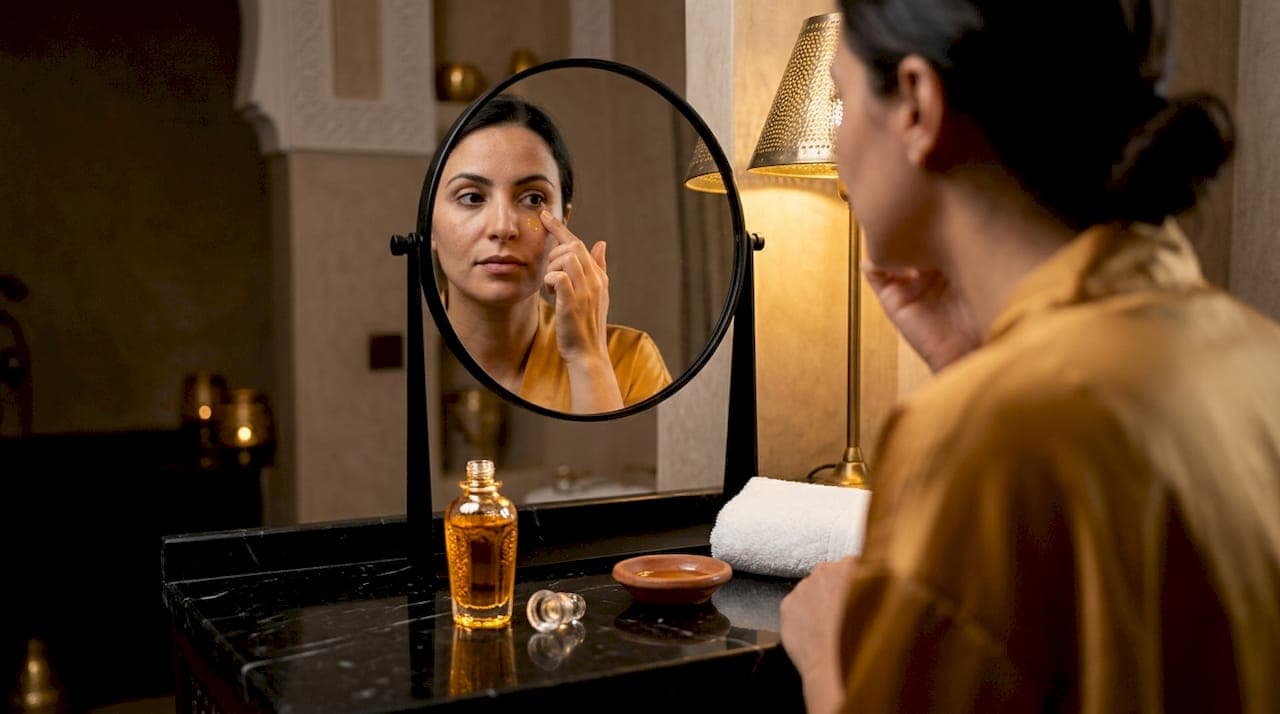
The skin beneath your eyes is among the thinnest and most delicate on your entire face. It shows dryness, fine lines, and fatigue faster than anywhere else. If you've tried countless synthetic creams that left you feeling frustrated or overwhelmed by long ingredient lists, you're not alone. Argan oil, a golden treasure from the heart of Morocco, offers a beautifully simple and organic alternative. This guide walks you through exactly how to use it safely, what realistic results look like, and how to pair it with other proven actives for the most radiant outcome possible.
Table of Contents
- What makes argan oil a unique choice for under-eye care?
- Preparing your skin and materials for argan oil under-eye treatment
- Step-by-step: Applying argan oil under the eyes safely and effectively
- What results should you expect, and what can argan oil not do?
- Why you should rethink natural solutions for under-eye care
- Explore Moroccan-inspired skincare for your under-eye regimen
- Frequently asked questions
Key Takeaways
| Point | Details |
|---|---|
| Argan oil improves texture | You can expect better hydration and reduced creasing under the eyes with consistent use. |
| Safety matters | Always patch test argan oil and apply it gently to avoid irritation or damage. |
| Not for dark circles | Argan oil alone is unlikely to treat pigment or vascular dark circles under the eyes. |
| Combine for best results | Pair argan oil with actives like vitamin E or niacinamide for broader under-eye improvement. |
What makes argan oil a unique choice for under-eye care?
Argan oil has been a cornerstone of Moroccan beauty rituals for centuries. Women in Morocco have used it in traditional Hammams and daily skincare practices long before the modern beauty industry discovered its power. That heritage matters because it speaks to generations of real-world use on real skin.
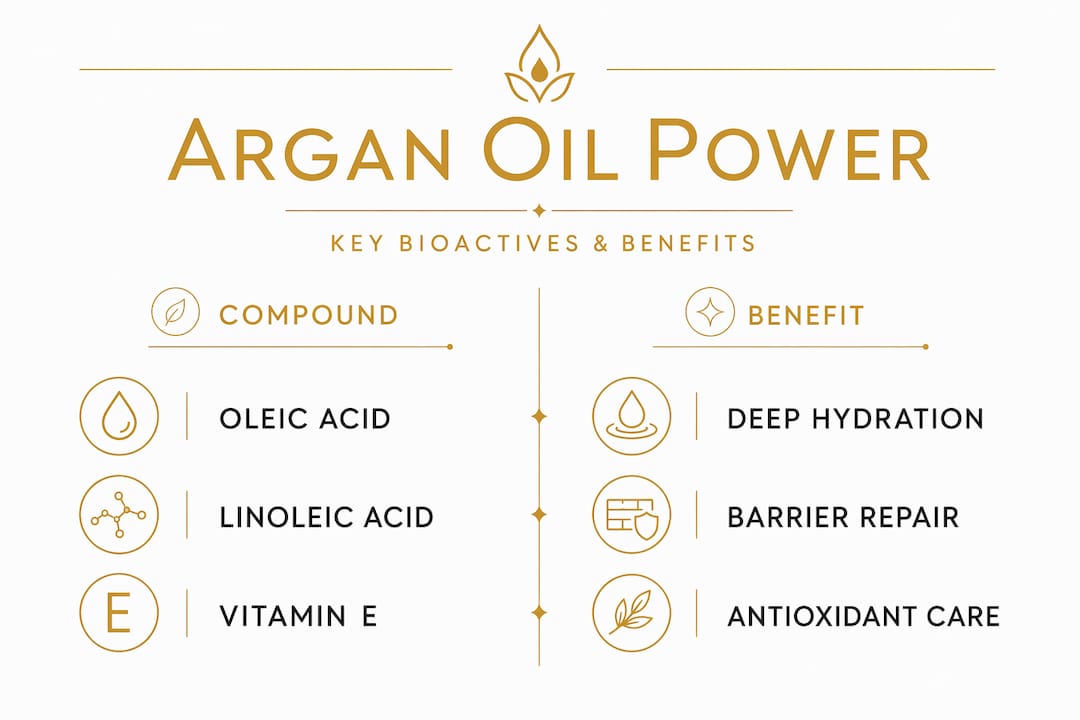
From a biochemical standpoint, argan oil is genuinely impressive. It is rich in unsaturated fatty acids like oleic and linoleic acids, alongside antioxidant compounds including tocopherols (a natural form of vitamin E), polyphenols, and phytosterols such as schottenol and spinasterol. These compounds create biologically plausible pathways for reducing oxidative stress and inflammation, which are directly relevant to aged or fatigued periorbital skin (the skin around your eyes).
What does that mean in practical terms? Oleic acid helps the oil absorb deeply into the skin barrier, while linoleic acid supports the repair of that barrier when it becomes compromised by weather, dryness, or stress. Tocopherols neutralize free radicals, which are unstable molecules that accelerate visible aging. Polyphenols add an additional layer of anti-inflammatory protection. Together, these compounds make argan oil a genuinely nourishing option for the under-eye area.
Here is a quick look at the key bioactive components and their roles:
| Bioactive compound | Primary role | Benefit for under-eye skin |
|---|---|---|
| Oleic acid | Deep penetration | Softens and moisturizes |
| Linoleic acid | Barrier repair | Reduces dryness and creasing |
| Tocopherols (vitamin E) | Antioxidant | Fights free radical damage |
| Polyphenols | Anti-inflammatory | Calms stressed or irritated skin |
| Phytosterols | Skin conditioning | Supports elasticity and texture |
That said, honesty matters here. The clinical evidence specifically targeting under-eye outcomes with argan oil is still limited. Most of the compelling research covers broader skin health rather than periorbital skin specifically. Argan oil is a wonderful emollient and antioxidant oil. It is not a miracle fix for every under-eye concern.
Key benefits argan oil realistically offers for under-eye skin:
- Deep hydration through fatty acid absorption
- Improved skin texture and reduced dry creasing
- Antioxidant protection against environmental stress
- A soft, silky feel that makes the skin look more rested
- A natural, organic option free from synthetic additives
Now that you understand the role of argan oil, let's look at what you'll need to prepare for safe and effective application.
Preparing your skin and materials for argan oil under-eye treatment
Good results start before the first drop of oil touches your skin. Preparation is everything, especially when working with the delicate under-eye area.
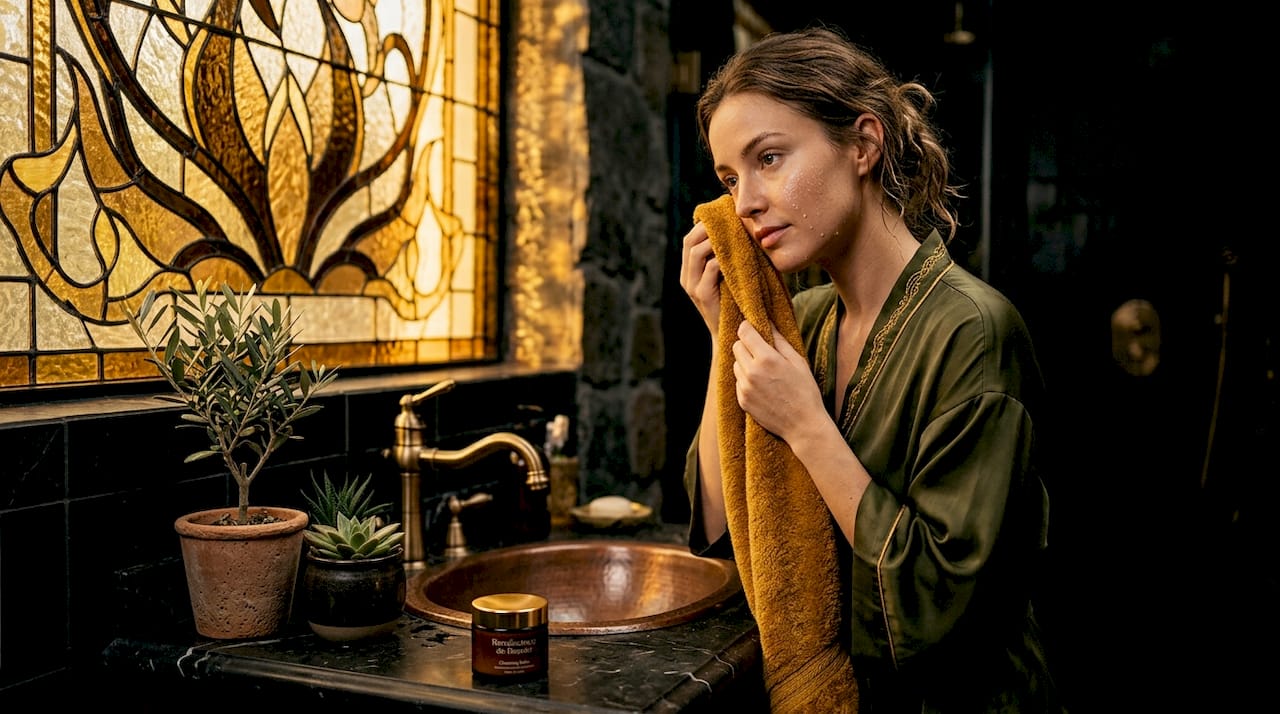
Start with a clean canvas. Always cleanse your face thoroughly before applying argan oil. Any residue from makeup, sunscreen, or daily pollution sitting on your skin can interfere with absorption and potentially cause irritation. Pat the under-eye area dry gently. Never rub. The skin here is incredibly thin and prone to micro-tears from mechanical friction.
Choose only pure, organic argan oil. This is non-negotiable. The label should say 100% pure argan oil with no added fragrances, preservatives, or fillers. Look for cold-pressed oil, which preserves the full spectrum of bioactive compounds. Sourcing matters too. Authentic Moroccan argan oil, harvested and processed in Morocco, carries a quality and authenticity that mass-produced alternatives simply cannot match.
Here is a helpful comparison between plain argan oil and blended under-eye products:
| Feature | Pure argan oil | Blended under-eye product |
|---|---|---|
| Ingredient control | Full transparency | Depends on formulation |
| Texture | Lightweight, absorbs well | Varies widely |
| Targeted actives | Emollient and antioxidant only | May include caffeine, niacinamide, retinol |
| Suitability for sensitive skin | Generally excellent | Depends on added ingredients |
| Best for | Hydration, texture, barrier support | Multi-concern treatment |
Patch test before you apply near your eyes. Apply a small amount of argan oil to your inner forearm or behind your ear. Wait 24 hours. If you notice no redness, itching, or swelling, you are good to proceed. This step is especially important if you have reactive or allergy-prone skin.
Safety reminder: The under-eye area is not just delicate, it is also close to your actual eye. Always apply with extreme care. Proper patch testing and gentle tapping are key edge cases for oil-based under-eye products. Never pull, stretch, or drag the skin. That kind of mechanical stress over time contributes to sagging and premature wrinkling.
Gather the right tools. Your clean fingertips are actually the best application tool. They warm the oil slightly on contact, which helps it absorb. A clean cotton swab is an acceptable alternative for more precise application. Avoid cotton pads, which can absorb too much product and drag across the skin.
It is also worth understanding what argan oil can and cannot do before you begin. As emollient film-forming lipids improve the look of texture through moisturization, argan oil works beautifully for dryness-related creasing. But it does not address vascular shadowing (those blue or purple tones under the eyes) or structural concerns like tear-trough anatomy. Knowing this upfront helps you set realistic, satisfying goals.
Once prepared, you can move onto the actual step-by-step application for best results.
Step-by-step: Applying argan oil under the eyes safely and effectively
This is where the ritual begins. Think of it as a small, luxurious act of self-care that you give yourself each evening.
-
Cleanse your face using a gentle, non-stripping cleanser. Rinse with lukewarm water and pat dry with a soft towel.
-
Dispense one drop of argan oil onto your clean fingertip. Seriously, one drop is enough for both eyes. Less is more with this oil. Using too much can leave a greasy residue and may increase the chance of oil migrating into the eye itself.
-
Warm the oil slightly by pressing your fingertips together for a few seconds. This improves absorption and makes the application feel more luxurious.
-
Apply using a gentle tapping motion. Start at the inner corner of the under-eye area and tap outward toward the temple. Gentle patting and tapping minimize mechanical drag, which is critical for this fragile skin. Never rub or press hard.
-
Avoid direct eye contact. Keep the oil on the orbital bone area, not on the waterline or lash line. If oil does get into your eye, rinse gently with clean water.
-
Allow it to absorb for at least 5 minutes before applying anything else on top, like a moisturizer or serum.
-
Apply in the evening. Nighttime is ideal because your skin is in repair mode while you sleep. Argan oil's fatty acids and antioxidants can work undisturbed for hours.
Frequency: Start with every other evening for the first week. Once you confirm your skin tolerates it well, you can apply it nightly. Consistency is what delivers results.
Pro Tip: Keep a small skincare journal or take weekly photos in the same lighting to track changes in texture and hydration. It takes at least four weeks of consistent use to see meaningful improvement, so patience is part of the practice. Tracking measurable texture goals for four or more weeks gives you the clearest picture of what is actually working.
After you've applied argan oil, you'll want to know what results to expect and how to verify progress.
What results should you expect, and what can argan oil not do?
This is where many people get tripped up. The beauty industry is full of overblown promises. We believe in giving you the honest picture so you can feel genuinely satisfied with your results.
What argan oil can realistically do for your under-eye skin:
- Reduce the appearance of fine, dry lines caused by dehydration
- Improve overall skin texture, making the area feel softer and look smoother
- Strengthen the skin barrier, which reduces moisture loss over time
- Give the skin a healthier, more rested appearance through consistent hydration
- Provide antioxidant protection that may slow visible signs of environmental aging
Most people notice improved hydration and less creasing within two to four weeks of consistent evening use. These are real, visible improvements that you can feel proud of.
What argan oil cannot do:
- Resolve dark circles caused by vascular issues (the blue or purple shadowing from blood vessels showing through thin skin)
- Address pigment-based dark circles from sun damage or genetics
- Reduce puffiness caused by fluid retention or structural anatomy
- Replace targeted clinical treatments for pronounced tear-trough hollows
Here is a clear breakdown of under-eye concerns and how argan oil measures up:
| Under-eye concern | Argan oil effectiveness | Better alternatives |
|---|---|---|
| Dryness and dehydration | Excellent | Pair with hyaluronic acid |
| Fine lines from dryness | Good | Consistent use over weeks |
| Vascular dark circles | Minimal | Caffeine, vitamin K |
| Pigment dark circles | Minimal | Niacinamide, vitamin C |
| Puffiness | Minimal | Caffeine, cold compresses |
| Texture and creasing | Very good | Combine with vitamin E |
Clinical evidence for periocular improvement points more strongly to ingredients like vitamin E, niacinamide, and caffeine for concerns beyond hydration and texture. This does not diminish argan oil's value. It simply means knowing when to pair it with other actives.
Pro Tip: For broader under-eye benefits, consider layering argan oil with a niacinamide serum or a caffeine-based eye product. Apply the serum first, allow it to absorb, then follow with argan oil to seal in moisture and add antioxidant nourishment. This combination honors both Moroccan tradition and modern skin science.
Now that we've clarified the promise and limits of argan oil, let's reflect on why conventional wisdom about natural under-eye solutions needs rethinking.
Why you should rethink natural solutions for under-eye care
Here is a perspective that most beauty content will not give you. The natural beauty world sometimes swings too far in one direction. There is a tendency to treat any pure, organic oil as a solution for everything. Argan oil is extraordinary. But calling it a cure-all does you a disservice.
The real wisdom in Moroccan beauty traditions is not just about any single ingredient. It is about understanding your skin's needs and responding with the right tools. Moroccan women have always known that argan oil is a deeply nourishing, healing oil. But they also use a range of plant-based ingredients and rituals, from black soap to rose water to rhassoul clay, each chosen for a specific purpose.
When it comes to under-eye concerns, argan oil's antioxidant and emollient effects will improve dryness and texture beautifully. But if your primary concern is vascular shadowing or structural hollowing, argan oil alone is likely insufficient. That is not a failure of the oil. It is simply the wrong tool for that specific job.
The most satisfying skincare outcomes come from blending the wisdom of natural traditions with the clarity of evidence-based ingredient choices. Use argan oil for what it does brilliantly: deep hydration, barrier nourishment, and antioxidant protection. Then bring in targeted actives for the concerns that need more specific support. This is not a compromise between natural and scientific. It is the smartest possible approach to caring for your skin.
Explore Moroccan-inspired skincare for your under-eye regimen
You now have the knowledge to use argan oil with confidence and intention. The next step is finding products you can truly trust.
At Renaissance de Beaute, we bring the spirit of magical Morocco directly to your skincare ritual. Our organic skincare products feature premium, cold-pressed Argan oil alongside natural plant extracts sourced from Morocco. Whether you are looking for a pure oil to begin your under-eye routine or a rejuvenating serum that pairs proven actives with organic ingredients, we have something crafted with care for you. Discover our story and the Moroccan beauty philosophy behind every product, or view shop to explore our full collection. GET GLOWING SKIN with the authentic power of Morocco.
Frequently asked questions
Is argan oil safe to apply directly under the eyes?
Yes, but it's important to patch test first and apply gently to avoid irritation or accidental eye contact. Patch testing and gentle tapping are the key safety steps for oil-based under-eye products.
How long does it take to see results from argan oil for under-eye texture?
Most users notice improved hydration and less creasing within two to four weeks, especially for dryness-related concerns. Tracking texture goals over four or more weeks gives you the clearest sense of progress.
Can argan oil treat under-eye dark circles or puffiness?
No, argan oil is not clinically proven for dark circles or puffiness. Actives like vitamin E, niacinamide, or caffeine are better supported for those concerns by current evidence.
Should argan oil be used alone or with other ingredients?
Argan oil works beautifully alone for hydration and barrier support. However, pairing it with proven actives like vitamin E or niacinamide can offer broader benefits, especially for concerns beyond dryness and texture.
Recommended
- Explore Organic Skincare with Renaissance de Beaute - Pure Argan Oil and Moroccan Spa Treatments
- Explore Organic Skincare with Renaissance de Beaute - Pure Argan Oil and Moroccan Spa Treatments
- Renaissance de Beaute LLC - Argan Black Soap, Organic Moroccan Argan, Pressed Argan Oil
- Vitamin C Skin Care Products | Renaissance de Beaute