
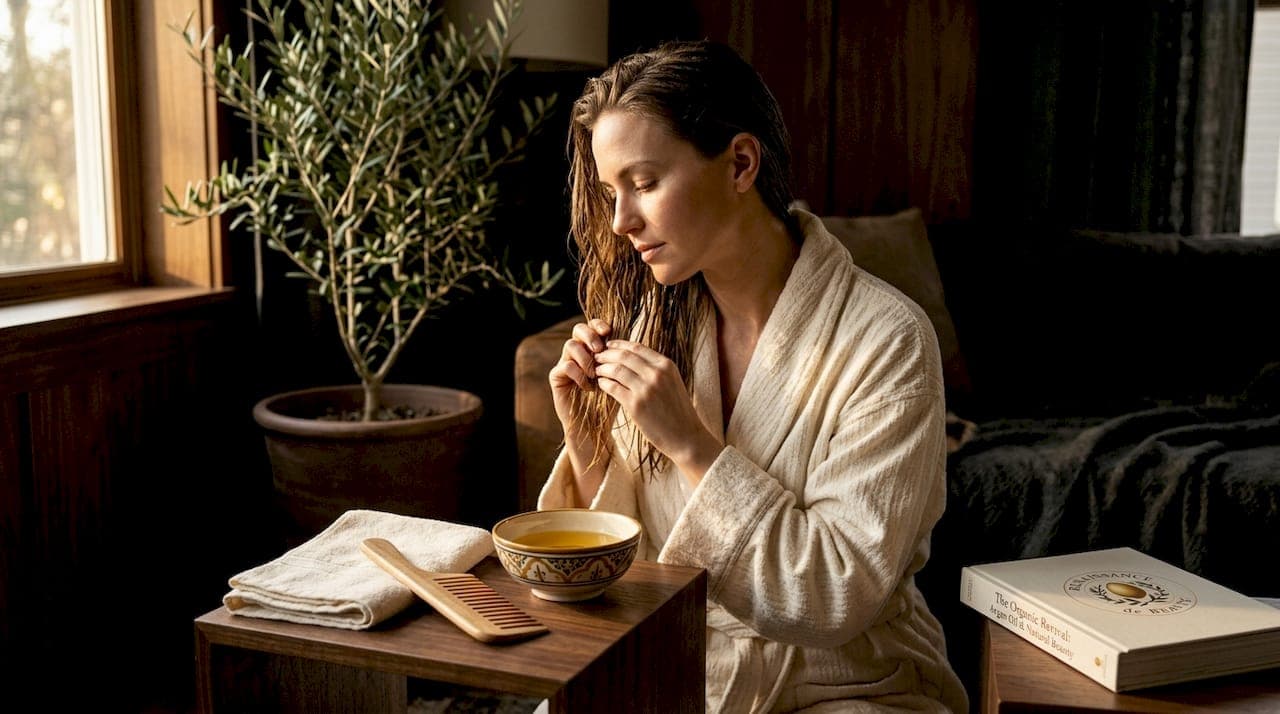
Argan oil has earned a near-legendary reputation in the hair care world, and the marketing behind it can be breathtaking. Promises of miraculous growth, instant repair, and complete transformation fill product labels everywhere. But what does the science actually say? The truth is more nuanced, and honestly, more interesting. The real, research-supported benefits of argan oil are genuinely impressive when you understand them clearly. This article cuts through the noise, gives you the evidence-based picture, and helps you set expectations that lead to real, lasting results for your hair.
Table of Contents
- How to evaluate argan oil for hair treatments
- 7 real benefits of argan oil hair treatments
- Comparing argan oil with other popular hair oils
- When argan oil may not be right for your hair
- Why realistic expectations matter with argan oil for hair
- Explore organic argan oil hair care with Renaissance de Beaute
- Frequently asked questions
Key Takeaways
| Point | Details |
|---|---|
| Moisturizes and strengthens | Argan oil excels as a hair conditioner, reducing dryness and strengthening strands against breakage. |
| Rich in antioxidants | Its natural antioxidants protect hair from oxidative damage and enhance shine and softness. |
| Quality varies widely | Argan oil’s effectiveness depends on sourcing and processing; always choose pure and reputable products. |
| Not a cure for hair loss | Argan oil helps hair look and feel better but will not reverse medical hair loss conditions. |
| Patch test before use | Oil treatments may not suit all scalps; always patch test to avoid irritation or flare-ups. |
How to evaluate argan oil for hair treatments
Now that you know why cutting through the hype matters, let's look at what experts recommend you focus on when judging any argan oil hair treatment.
Not all argan oil is created equal. The quality of what you apply to your hair depends heavily on how the oil was sourced, extracted, and processed. Understanding the key components inside the bottle helps you make smarter choices.
Argan oil's primary active components include:
- Oleic acid: A monounsaturated fatty acid that softens and conditions the hair shaft, helping it retain moisture.
- Linoleic acid: An omega-6 fatty acid that supports the hair's natural lipid barrier, reducing dryness and brittleness.
- Vitamin E (tocopherols): A powerful antioxidant that protects hair from environmental stressors like UV exposure and pollution.
- Polyphenols: Plant-based antioxidants that contribute to the oil's ability to fight oxidative damage at the hair fiber level.
- Phytosterols: Compounds that support scalp comfort and help maintain a healthy hair environment.
Research confirms that argan oil's composition is consistent with conditioning and oxidative stress reduction, though large-scale clinical proof remains limited. This is an important distinction. The oil's chemistry makes it a strong cosmetic conditioner. It does not make it a medical treatment.
Quality also varies significantly. Studies show variability in bioactive compounds based on differences in origin, extraction methods, and processing. Cold-pressed, traditionally extracted argan oil from Morocco retains the highest concentration of beneficial compounds. Refined or chemically processed versions may lose much of that potency.
Realistic outcomes from a quality argan oil treatment include improved manageability, enhanced shine, reduced breakage, and better moisture retention. These are meaningful, visible improvements. What argan oil is not? A cure for hair loss, a solution for medical scalp conditions, or a substitute for professional treatment.
Pro Tip: Always check the ingredient list for "pure argan oil" listed near the top. Look for reputable sourcing information, ideally noting cold-pressed extraction and Moroccan origin.
7 real benefits of argan oil hair treatments
Having sorted the criteria for quality, let's break down what science actually supports and what you can realistically expect from your argan oil routine.
-
Reduced dryness and better moisture retention. Argan oil's fatty acid profile creates a thin, protective layer around the hair shaft. This layer slows moisture loss, keeping strands hydrated for longer. Dry, brittle hair responds especially well to this kind of emollient treatment.
-
Increased shine and improved softness. One of the most immediately noticeable effects of argan oil is the silky texture it imparts. The oil smooths the cuticle layer of the hair, which reflects light more evenly. The result is visibly glossy, touchably soft hair. Research supports argan oil as a cosmetic conditioner that improves hair feel, reduces moisture loss, and can reduce breakage.
-
Reduced breakage and split ends. When hair is adequately conditioned, it becomes more flexible and resilient. Argan oil reduces the friction and dryness that cause strands to snap during brushing or styling. Over time, this means fewer split ends and less visible damage.
-
Protection against oxidative damage. Vitamin E and polyphenols in argan oil are genuine antioxidants. They neutralize free radicals generated by sun exposure, heat styling, and environmental pollution. This protective function is one of argan oil's most scientifically grounded benefits. Studies note that argan oil is rich in vitamin E, unsaturated fatty acids, phytosterols, and tocopherols, all of which contribute to this protective action.
-
Enhanced manageability and frizz control. Frizz is largely a moisture problem. When the hair cuticle is rough and dry, it absorbs humidity unevenly, causing the characteristic puffiness. Argan oil smooths the cuticle and seals in moisture, dramatically reducing frizz and making hair easier to style and control.
-
Potential scalp-soothing benefits. Argan oil contains anti-inflammatory compounds that may help calm a mildly irritated scalp. For people dealing with general dryness or mild scalp discomfort, a light application of argan oil can provide relief. This benefit is best suited to dry scalp conditions rather than oily or inflamed ones.
-
Support for reduced styling-related shedding. Stronger, better-conditioned hair is less likely to break during daily manipulation. While argan oil does not stimulate new hair growth at the follicle level, it does help preserve the hair you already have by reducing mechanical damage from brushing, heat, and styling.
"No large-scale scientific evidence that argan oil can make hair grow faster." While argan oil is an exceptional emollient and protective treatment, expecting it to reverse hair loss or accelerate growth is not supported by current research. Its power lies in preservation and conditioning, not regeneration.
Pro Tip: For curly or coily hair types, argan oil can be especially beneficial in reducing breakage caused by dryness. Apply a few drops to damp hair before styling to lock in moisture and define your curl pattern without weighing it down.
Comparing argan oil with other popular hair oils
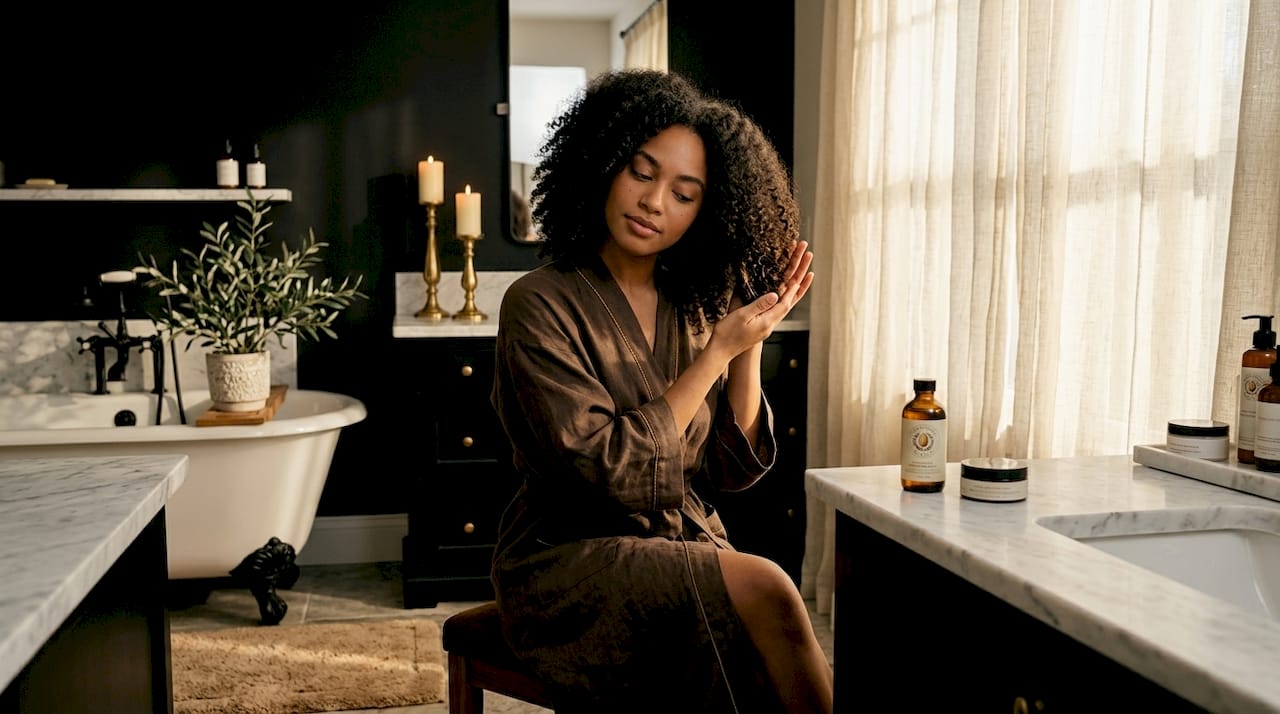
With so many oils vying for a spot on your bathroom shelf, how does argan oil compare to classic alternatives? Here's what sets argan oil apart.
| Oil | Key fatty acids | Antioxidant content | Texture and absorption | Best for |
|---|---|---|---|---|
| Argan oil | Oleic, linoleic | High (vitamin E, polyphenols) | Lightweight, absorbs quickly | All hair types, especially dry or frizzy |
| Coconut oil | Lauric acid | Moderate | Heavy, slower absorption | Thick, coarse, or very dry hair |
| Jojoba oil | Eicosenoic acid | Moderate | Watery, very fast absorption | Oily scalps, fine hair |
| Olive oil | Oleic acid | Moderate to high | Heavy, can feel greasy | Dry, damaged, or coarse hair |
The fatty acid profiling of argan oil is one of the clearest ways to determine its quality and cosmetic value. What makes argan oil particularly special compared to its competitors?
- Its antioxidant profile is significantly higher than most common hair oils, giving it an edge in protecting hair from environmental and heat damage.
- Unlike coconut oil, argan oil does not leave a heavy residue or cause buildup on fine or low-porosity hair.
- Unlike olive oil, argan oil absorbs quickly and does not leave hair feeling greasy after application.
- Jojoba oil is excellent for scalp health but does not offer the same antioxidant richness as argan oil for the hair fiber itself.
- Argan oil's non-greasy finish makes it suitable for use as a finishing treatment on styled hair, something heavier oils cannot achieve as elegantly.
For most hair types seeking a balance of moisture, protection, and manageability, argan oil offers the most versatile and elegant profile of the group. Its lightweight nature means you can use it on wash day and again mid-week without worrying about buildup.
When argan oil may not be right for your hair
While argan oil has many upsides, it's not a one-size-fits-all answer. Here's how to make sure it's a safe choice for you.
Argan oil is a wonderful treatment for many people, but there are specific situations where it may not help and could actually make things worse. Being informed protects your scalp and your hair.
Situations where argan oil may not be appropriate:
- Seborrheic dermatitis: This common scalp condition involves excess oil production and yeast overgrowth. Applying more oil to an already oily, inflamed scalp can feed the yeast and worsen flaking, itching, and irritation.
- Active scalp infections: If you have a fungal or bacterial scalp infection, any oil application can create a warm, occlusive environment that encourages microbial growth. Always treat the infection first.
- Oily-prone scalps: If your scalp already produces excess sebum, adding argan oil directly to the scalp can accelerate greasiness and clog follicles.
- Folliculitis: Inflamed hair follicles need breathability, not occlusion. Oil can worsen this condition significantly.
- Nut or tree nut allergies: Argan oil comes from the nut of the argan tree. If you have known tree nut allergies, consult your dermatologist before use.
- Medical hair loss conditions: Argan oil is not a treatment for alopecia areata, androgenetic alopecia, or other clinically diagnosed hair loss disorders.
"Topical oiling is primarily a cosmetic scalp and hair health practice and may exacerbate seborrheic dermatitis and folliculitis." Dermatologists caution that oils should be applied thoughtfully and are not universally beneficial for all scalp types.
Always perform a patch test before incorporating any new oil into your routine. Apply a small amount to the inside of your wrist or behind your ear and wait 24 hours. If you notice redness, itching, or swelling, discontinue use immediately. This simple step protects you from unexpected reactions.
Why realistic expectations matter with argan oil for hair
Here is something we feel strongly about at Renaissance de Beaute: the most powerful thing you can do for your hair is understand what any treatment can and cannot do.
Argan oil is genuinely remarkable. Its conditioning properties, antioxidant richness, and ability to improve shine and manageability are well-supported and real. But we have seen too many people feel disappointed because they expected a cosmetic oil to reverse years of damage or regrow hair that was lost due to hormonal or medical causes. That disappointment is not the oil's fault. It is a failure of expectations, usually driven by exaggerated marketing.
The distinction between cosmetic improvement and medical reversal matters enormously. Argan oil can make your hair look and feel dramatically better. It can protect it from further damage. It can make your styling routine easier and more enjoyable. What it cannot do is address the underlying causes of complex hair loss disorders. Research confirms that argan oil is unlikely to be a stand-alone treatment for true hair loss disorders.
We also believe that even the best oils work best as part of a broader approach to hair wellness. A balanced diet rich in protein, iron, and biotin feeds your follicles from the inside. Gentle styling practices reduce mechanical damage. Scalp care keeps the foundation healthy. Argan oil fits beautifully into this picture as a nourishing, protective treatment, not as a replacement for the whole picture.
The brands that promise miraculous results from a single ingredient are selling you a fantasy. The brands that tell you the truth and give you premium, authentically sourced ingredients are giving you something far more valuable: real results you can trust and sustain. Scrutinize the marketing. Ask where the oil comes from. Look for transparent sourcing. Your hair deserves that level of care and honesty.
Explore organic argan oil hair care with Renaissance de Beaute
If you want to experience authentic argan oil benefits for yourself, discover carefully curated, quality-verified options below.
At Renaissance de Beaute, we are passionate about bringing the rejuvenating traditions of magical Morocco directly to you. Our products are crafted with pure, organic Argan oil sourced from Morocco, cold-pressed to preserve every beneficial compound your hair craves. We believe that premium ingredients with transparent sourcing make all the difference between a product that truly works and one that simply promises.
When you choose quality-verified argan oil, you are choosing real results: silky softness, radiant shine, and healthier hair with every use. Browse our pure argan oil products to find the perfect treatment for your hair type and needs. Explore the full Renaissance de Beaute collection and bring the exquisite ritual of Moroccan hair care into your everyday routine. Your most radiant hair starts here.
Frequently asked questions
Does argan oil really make hair grow faster?
No large-scale scientific evidence supports faster hair growth from argan oil, but by reducing breakage and strengthening existing strands, it can help your hair appear fuller and healthier over time.
Who should avoid using argan oil on their hair?
People with seborrheic dermatitis, folliculitis, or very oily scalps should use caution, as oiling can exacerbate these conditions; always perform a patch test before regular use.
How does argan oil help with split ends?
Argan oil acts as a conditioning emollient that reduces moisture loss and breakage, which are the primary causes of split ends developing along the hair shaft.
Is argan oil safe for color-treated hair?
Yes, argan oil is generally safe for color-treated hair and its rich antioxidant content, including vitamin E and tocopherols, may help protect the hair fiber from oxidative damage that can cause color to fade faster.